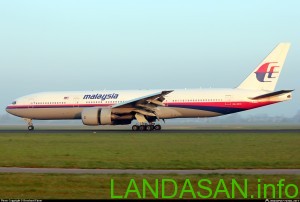
Exploring Malaysia’s Thriving Aviation Industry
Malaysia’s aviation industry is a vibrant and essential part of its economy, reflecting the country’s strategic location in Southeast Asia. With its rich cultural tapestry and breathtaking landscapes, Malaysia has become a popular travel destination, further enhanced by its robust aviation sector. This industry not only connects Malaysia to the world but also plays a pivotal role in boosting tourism, trade, and economic growth. For aviation enthusiasts, the Malaysian aviation landscape offers a captivating blend of established airlines, innovative low-cost carriers, and a burgeoning aerospace manufacturing sector.
Industry Overview
The Malaysian aviation sector is characterized by significant growth and development, positioning itself as a crucial hub in the Asia-Pacific region. Kuala Lumpur International Airport (KLIA) stands out as one of Southeast Asia’s busiest airports, facilitating millions of passengers annually. As of recent statistics, Malaysia’s aviation industry contributes substantially to the national GDP and employs thousands across various sectors.
Key statistics that illustrate the industry’s importance include:
- Over 46 international destinations served by Malaysia Airlines.
- AirAsia being recognized as Asia’s largest low-cost carrier.
- A projected growth in air travel demand in the Asia-Pacific region, with estimates suggesting nearly 17,485 new planes will be needed over the next decade.
Malaysia’s commitment to liberalizing its aviation policies has fostered an environment conducive to competition and innovation, making it an attractive destination for both travelers and investors alike.
Key Players
Malaysia’s aviation landscape is dominated by several key players:
- Malaysia Airlines: The national flag carrier provides extensive domestic and international routes. It has established itself as a reputable airline with a strong commitment to safety and service quality.
- AirAsia: As Asia’s first and largest low-cost carrier, AirAsia has revolutionized air travel in the region by making it more affordable and accessible. Its extensive network spans numerous countries, catering primarily to budget-conscious travelers.
- MRO Providers: The Maintenance, Repair, and Overhaul (MRO) sector is robust in Malaysia, with companies like Airod Sdn Bhd and Asia AeroTechnic providing critical services to both local and international airlines. Malaysia ranks among the top three MRO hubs in the Asia-Pacific region.
- Aerospace Manufacturing: Malaysia is home to several aerospace manufacturing firms that produce components for major global players like Airbus and Boeing. The government has initiated various programs to enhance this sector, aiming to position Malaysia as a key player in the global aerospace supply chain.
Government & Regulations
The regulatory framework governing Malaysia’s aviation industry is primarily overseen by the Civil Aviation Authority of Malaysia (CAAM). This body ensures compliance with international safety standards while promoting sustainable practices within the industry.
The Malaysian government has implemented several initiatives aimed at enhancing the aviation sector’s growth:
- Open Skies Agreements: These agreements facilitate increased competition among airlines and enhance connectivity between Malaysia and other countries.
- Aerospace Industry Blueprint 2030: This strategic plan aims to elevate Malaysia’s aerospace industry by focusing on research and technology development while fostering partnerships between public and private sectors.
Challenges & Future Outlook
Despite its successes, Malaysia’s aviation industry faces several challenges:
- Post-Pandemic Recovery: The COVID-19 pandemic severely impacted air travel worldwide. Although recovery is underway, airlines are still navigating fluctuating demand levels.
- Sustainability Efforts: As global awareness of climate change grows, the aviation sector must adapt by implementing greener practices. This includes exploring alternative fuels and enhancing operational efficiencies.
Looking ahead, digitalization is set to transform how airlines operate, from ticketing systems to customer service platforms. Additionally, green aviation initiatives are gaining traction as companies strive for sustainability while meeting growing passenger demands.
Conclusion
For aviation enthusiasts, keeping an eye on Malaysia’s aviation sector is essential due to its dynamic growth trajectory and strategic importance in the Asia-Pacific region. With a blend of established airlines, innovative low-cost carriers, and a burgeoning aerospace manufacturing base, Malaysia is poised to become a leading player in global aviation. As the industry continues to adapt to challenges while embracing future trends, it promises an exciting landscape for both travelers and professionals alike.
Group of Companies
- Dviation Group of Companies
- Malaysia Aviation Group
Airlines
Malaysian companies
- AirAsia Berhad – AirAsia (Malaysia)
- () – AirAsia X
- FlyFirefly Sdn Bhd (346606-K) – Firefly
- Malaysia Airlines Berhad – Malaysia Airlines
- Malindo Airways Sdn Bhd (1018546-w) – Malindo Air
- Rayani Air
International companies
- () – AirAsia Indonesia
- () – Indonesia AirAsia X
- () – Thai Airasia
- () – Thai AirAsia X
- () – Philippines AirAsia
- AirAsia (India) Limited – AirAsia India
- () – AirAsia Japan
Maintenance, Repair and Overhaul (MRO)
Also read: The importance of MRO companies to the Malaysian economy
- AAR Landing Gear Services Sdn Bhd
- Aerospace Technology Systems Corp. Sdn Bhd
- AgustaWestland (Malaysia) Sdn Bhd
- Airfoil Services Sdn Bhd
- AIROD Services Sdn Bhd
- AJ Aeroservices Sdn Bhd
- BHIC Aeroservices Sdn Bhd
- CTRM Sdn Bhd
- Destini Berhad
- GE Aviation Services (Malaysia) Sdn Bhd
- UTC Aerospace Systems (formerly known as Hamilton Sundstrand)
- Hawker Pacific (Malaysia) Sdn Bhd
- Honeywell Aerospace Services
- Interiors Aeroservices (Malaysia) Sdn Bhd
- KOP Aviation Sdn Bhd
- Layang-layang Aerospace Sdn Bhd
- MAS Aerospace Engineering
- MHS Aviation Berhad
- Mycopter Aviation Services Sdn Bhd
- Nusantara Aviation Services Sdn Bhd
- Sepang Aircraft Engineering Sdn Bhd (website: http://www.sepangaircraft.com/)
- Raya Airways Sdn Bhd @ Transmile Air Services Sdn Bhd
- SAR Helicopters Sdn Bhd
- Scandinavian Avionics (Malaysia) Sdn Bhd
- SME Aerospace Sdn Bhd
- Solid Partners Sdn Bhd
- SR Aviation Sdn Bhd
- Systematic Aviation Services Sdn Bhd
- Weststar Aviation Services Sdn Bhd
- Yasmin Wings Sdn Bhd
- Zetro Aerospace Corporation Sdn Bhd
Source: iluvaviation
Training
- D’viation
Sources
[1] https://www.caam.gov.my/wp-content/uploads/2021/02/1.-SP_Malaysia_final.pdf
[2] https://www.airlinepros.com/global-office/malaysia/
[3] https://mida.gov.my/wp-content/uploads/2020/12/Aerospace-High-Res-Final.pdf
[4] https://www.caam.gov.my/our-profile/about-us/
[5] https://www.mavcom.my/wp-content/uploads/2020/02/Section-2.pdf
[6] https://newsroom.airasia.com/news/2024/9/26/asia-digital-engineering-unveils-malaysias-largest-14-line-aircraft-maintenance-hangar-leading-the-way-in-asean-aviation-maintenance
[7] https://limamalaysia.com.my/assets/img/lima/PDF/Aide_Memoire.pdf
[8] https://www.linkedin.com/posts/malaysia-airlines_malaysia-aviation-group-mag-is-proud-to-activity-7239902536197885952-D_cK
[9] https://www.aerodarat.com/news/
[10] https://www.mavcom.my/wp-content/uploads/2020/02/Section-3.pdf
[11] https://www.adb.org/sites/default/files/publication/879966/southeast-asia-aviation-covid19-post-pandemic-strategy.pdf
[12] https://www.malaysiaairlines.com/hq/en/mh-media-centre/news-releases/2024/progresses-towards-25by2025-goals.html
[13] https://www.mavcom.my/wp-content/uploads/2024/10/20240417-MAVCOM-ECONOMICS-WAYPOINT-SEPT-2024-v7.pdf
[14] https://www.statista.com/statistics/1048816/malaysia-refueling-revenue-aviation-industry/
[15] https://www.linkedin.com/pulse/supply-demand-human-resources-malaysian-aviation-industry-nazrul-gyksf
[16] https://www.statista.com/statistics/1048784/malaysia-catering-revenue-in-the-ground-handling-aviation-industry/
[17] https://www.researchgate.net/publication/373406494_Delivering_Competitive_Aviation_Industry_in_Malaysia
[18] https://malaysiaaviationgroup.com.my/en/our-brands-and-services/aviation-services/mab-engineering.html
[19] https://www.malaysiaairlines.com/in/en/other-offerings/mabengineering.html
[20] https://www.malaysiaairlines.com/nz/en/mh-media-centre/news-releases/2024/mabes-piedmont-propulsion-meraque-service-partnerships.html
[21] https://www.malaysiaairlines.com/id/en/about-us/malaysia-aviation-group.html
[22] https://mabengineeringservices.com/en/about-us.html
[23] https://www.sepangaircraft.com
[24] https://www.lusha.com/company-search/airlines-and-aviation/a28cb76183/malaysia/106/
[25] https://www.mavcom.my/en/home/
[26] https://www.mot.gov.my/en/aviation/agencies
[27] https://themalaysianreserve.com/2024/12/15/remarkable-growth-for-aviation-in-2024-marked-by-green-transformation-crowdstrike-and-new-routes/
[28] https://www.gminsights.com/blogs/top-challenges-of-aviation-industry
[29] https://www.malaysiaairlines.com/my/en/mh-media-centre/news-releases/2024/mag-prioritises-fleet-reliability-and-operational-resilience.html
[30] https://www.nst.com.my/business/2023/07/927157/malaysias-aviation-sector-gather-pace-second-half-2023
[31] https://limamalaysia.com.my/assets/img/lima/PDF/Aide_Memoire.pdf
[32] https://www.travelandtourworld.com/news/article/malaysia-airlines-celebrates-the-first-flight-of-its-airbus-a330-900-advancing-fleet-renewal-with-latest-aircraft-and-expanding-potential/
[33] https://www.mavcom.my/wp-content/uploads/2023/12/20231227-MAVCOM-ECONOMICS-WAYPOINT-DECEMBER-2023-FINAL.pdf
[34] https://centreforaviation.com/analysis/reports/malaysia-aviation-growth-slows-profits-under-pressure-463080
[35] https://aviationweek.com/mro/aircraft-propulsion/malaysia-airlines-aims-diversify-its-mro-capabilities
[36] https://unctad.org/system/files/non-official-document/ccpb_IGECON2024_contribution_malaysia_commission_en.pdf
[37] https://www.mot.gov.my/en/aviation
[38] https://www.mavcom.my/en/selected-initiatives/mavcoms-recommendations-for-the-malaysian-civil-aviation-industry/framework/
[39] https://www.caam.gov.my/wp-content/uploads/2025/01/Malaysian-Green-Skies-Initiative-and-Action-Plan-ISS04_REV00.pdf
[40] https://mida.gov.my/wp-content/uploads/2020/12/Aerospace-High-Res-Final.pdf
[41] https://jestec.taylors.edu.my/Vol%2010%20Issue%209%20September%202015/Volume%20(10)%20Issue%20(9)%201150-1161.pdf